)
)
)
Highlights and insights from Fintech Connect and Tokenize: LDN 2025
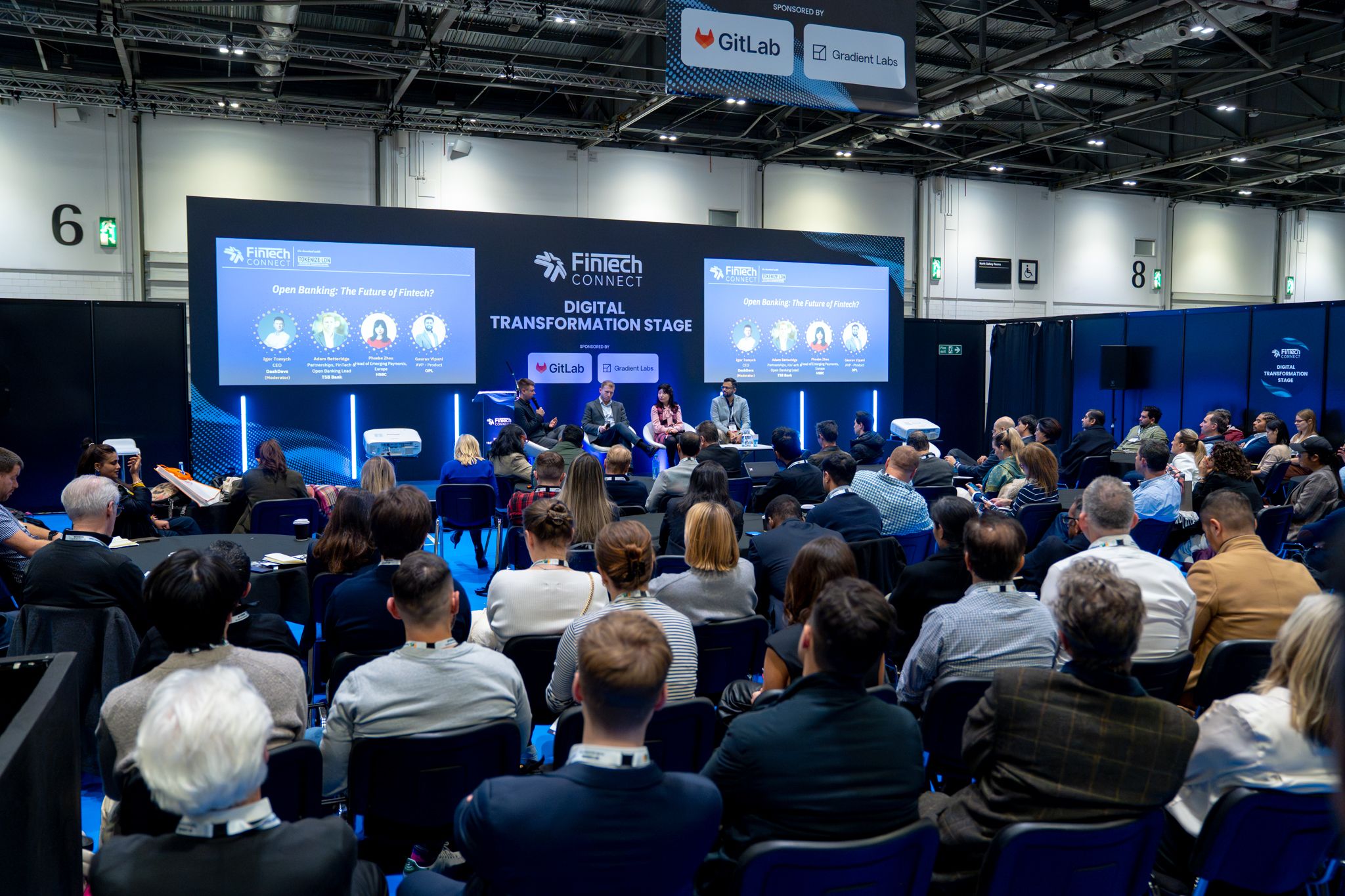
What a two days it has been for the 10th anniversary edition of Fintech Connect! The event, co-located with Tokenize:LDN, has been a non-stop showcase of innovation and insight, with deals being done and product demonstrations taking place across the show floor. Editor James Bourne has put together some of his highlights of the main insights, news and themes from Fintech Connect and Tokenize below:
---
Across the conference stages – many of which on day one were standing room only – when it came to emerging technologies across the sector, be they related to AI, open banking, or tokenization, one theme stood out: stand still at your peril or risk being overtaken.
While technology development is key, scalability across global frameworks is equally important, as an interesting panel on the state of play for tokenized assets regulation explored. MiCA in the EU and the GENIUS Act in the US has set the tone, but can commonality be found?
“I think what’s interesting about RWA tokenization for me is the question of which existing laws already apply for these things, because we’re not already starting from a clean slate,” said Andrew Whitworth, founder of Global Policy Ltd. “A lot of the day-to-day questions are ‘we already have a framework for this, does it work, does it not work?’ What matters more than anything is which institution has mandate or power over it.”
As a trained lawyer, Jacob Turner, MD and head of legal for investor services at Citi Bank, explored the possibility of commonality from a legal perspective, albeit with jurisdictions competing to be the world’s centre for crypto and digital assets. “Look[ing] to other jurisdictions that are a bit ahead of the curve, what they have put in place… naturally builds a little bit of consistency,” says Turner.
“A lot of jurisdictions copy other jurisdictions. That helps. But there is a lack of global taxonomy, global consistency… but I think the incentive should perhaps steer us toward at least a common market practice that fits with a broad legal framework.”
Turner noted that the strictest jurisdictions have to be followed with the likes of AML laws. “That’s not going to change,” he said. “We’ve dealt with it before; we’ll deal with it in the world of digital assets. It gives you a headache, but it also gives you a bit of job security, I guess!”
“One way or the other, we will get regulatory frameworks for these markets. In five years’ time, these markets will exist, people will use them. The question is whether we get good frameworks for this, the most efficient,” added Whitworth. “I think that’s still an open question.”
Over on the startup launchpad stage, the fintech founders’ panel featured fantastic advice – mixed in with searing honesty about their challenges and setbacks – for anyone looking to take their idea to fruition. For both Chloe Coleman, CEO and co-founder of digital ID-ready trust platform Vouchsafe, and Nina Mohanty, founder and CEO at Bloom Money, a financial platform for diaspora communities, their startup ideas germinated during the pandemic and, in Coleman’s experience, became a business when she and her co-founder were ‘solving [the same] problem over and over again’ as consultants.
In terms of challenges, regulation was cited as a particular pain point. “We’re in a really strange time in the VC world,” said Mohanty. “We’re an incredibly highly regulated industry. But the problem with building in the space is regulation is constantly changing… and you’re constantly trying to keep up to date with the regulator. Building a fintech company at base level, you’re expected to go in with a high level of complexity, regulation, compliance overhead.”
Luke Wingfield Digby, co-founder at Orbital, took up the baton of Mohanty’s comment. “I think one of the challenges is if you’re trying to do something innovative, you’re working at the boundaries of regulatory requirements,” he said – noting that his startup currently has five licences across four jurisdictions. “You need to work out whether it’s allowed; there’s no clear-trodden path to execute.
“I think that’s something genuinely challenging when building a fintech.”
Regarding new launches at the show, there was plenty of activity at the AstroFinance stand as the RWA tokenization and blockchain-based financing provider launched its new partnership with RentRemote, a global platform for remote living and working, at Tokenize. The collaboration aims to combine cutting-edge workspace design and Web3-enabled financing.
“What we do at AstroFinance is power the tokenization of these workstations, and we are talking to the same community,” said CMO Sylvain Berrier. “The nomad workers we’ve identified are very interested in tokenization, so there is a strong flying will, if you like, in terms of bringing the two companies together and launching it at Tokenize:LDN.”
Overall, the feedback from speakers and sponsors alike has been extremely positive. Yonatan Sompolinsky, Kaspa founder, noted the ‘very nice atmosphere’ of Tokenize. “It was a very nice event so far,” said Sompolinsky. “I got to meet a lot of avid Kaspas, people from the community across the world, mainly from Europe. It’s a very nice experience. People that I know only from their X usernames. So it’s connecting the faces to the username; it’s quite a sweet experience.”
Niv Netzer, gen AI product team lead at One Zero Bank, spoke at the closing session on the Fintech Connect digital transformation stage for day one, and he said the atmosphere was ‘really great’. “It’s our first conference that are joining and exhibiting as we just announced the idea to white label Ella, and naturally until now it’s looking really good,” he said. “There are a lot of people, amazing people, we have a lot of connections, so it’s working well.”
Jenna Coppinger, of Inveniam, said she was ‘super excited’ to be at Tokenize. “It’s just been a great event so far,” she said. “It’s super fun to be here meeting all these people, and really moving the industry forward. We just love collaborating with people in real life, we think it’s the best way to get a ton of deals done, and we’re excited just to have those people that are in the space in financial technology all in one room.
“It really helps the ecosystem grow as a whole.”