


MEET THE SPEAKER: BASAK TOPRAK ON STABLECOINS, AI AGENTS AND THE FUTURE OF MONEY
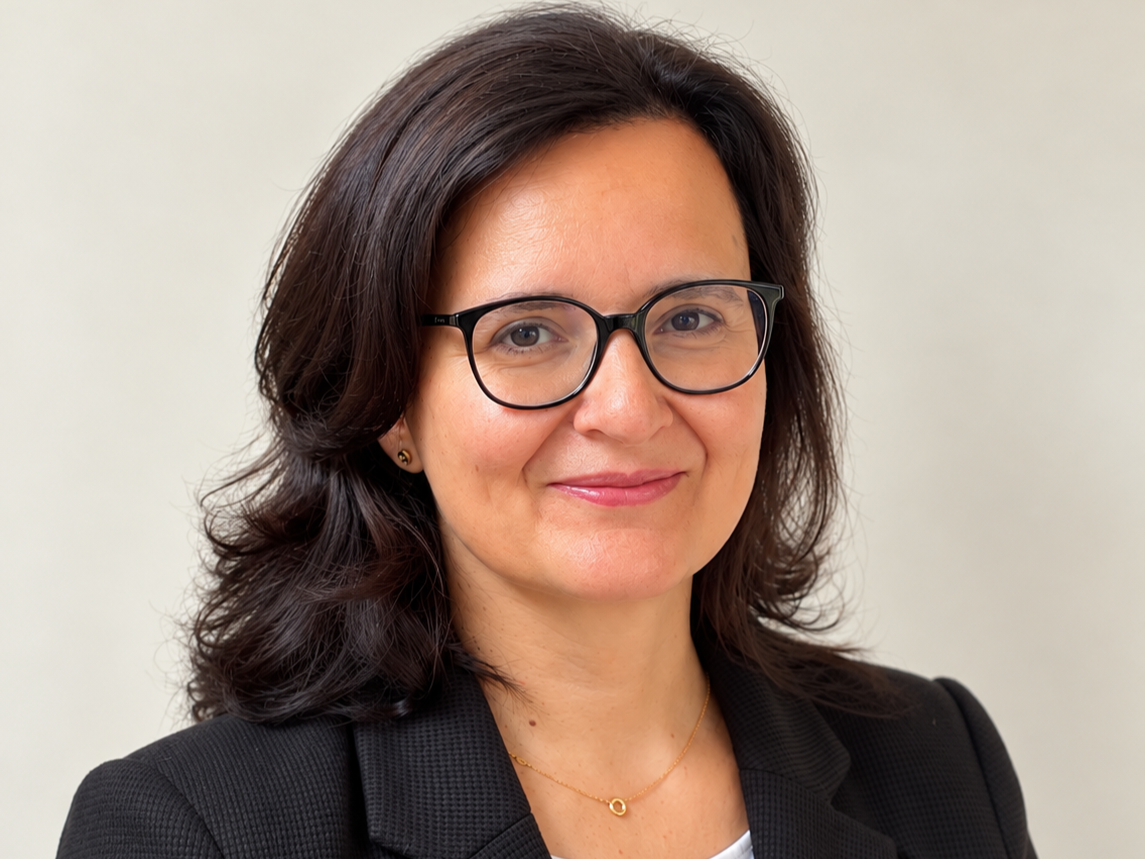
Speaker Name
Basak Toprak
What's one thing you hope attendees take away from your session?
We’re moving into a multi-money world, where stablecoins, tokenised deposits and central bank money will coexist across different issuers and networks. If we get interoperability right, businesses will be able to move value instantly and safely, whatever form of money they hold.
In one sentence, what do you do and what is your role?
I’ve spent more than 20 years in payments at Citi and J.P. Morgan, most recently building JPM Coin, J.P. Morgan’s deposit token, from concept to live issuance on a public blockchain. I’m passionate about turning emerging ideas and technology into scalable solutions and real business opportunities.
What's the biggest challenge facing the industry in this area?
The challenge is making the case beyond efficiency. Existing rails will run alongside new ones for decades, so making today’s payments slightly faster or cheaper is rarely enough. Digital money has to enable things that weren’t possible before, from AI agents transacting with each other to markets that never close. I believe that’s where the real business case lies.
What's one piece of advice you'd give to someone working in fintech today?
Never stop being a beginner. Some of the most useful things I’ve learned came from trying new technology myself rather than relying on others to explain it. Curiosity compounds, and in this industry it’s the best way to stay relevant and to understand what really works and what doesn’t.
What book, podcast, newsletter, or resource would you recommend to our audience?
LinkedIn, used well. I follow a wide range of voices in digital money and payments, from practitioners building in banks, fintechs and policy to commentators who connect the dots across the industry. Together they give me a much richer picture than any single newsletter or report.
What topic will you be speaking about at FinTech Connect 2026?
Whether stablecoins and CBDCs can really deliver instant, 24/7, low-cost cross-border payments for the UK and EU, and what it will take to turn that promise into infrastructure that institutions can trust and adopt.
Just for fun: if you could have dinner with any person, past or present, who would it be and why?
Dee Hock, the founder of Visa. He persuaded competing banks to build and share a single payment network, which is exactly the kind of cooperation digital money needs today. I'd love to ask him how he'd design the governance of a multi-money world.
What industry trend are you watching most closely?
AI and agentic commerce. On-chain money has often been a solution looking for a problem in everyday payments, because people are already largely well served by cards and bank transfers. AI agents have the potential to change that equation. They transact around the clock, in tiny amounts and with conditions built in, and that's where programmable, always-on money multiplies its value.
Why is this topic particularly important right now?
Because AI is moving faster than any technology the financial system has had to absorb. Payment infrastructure usually takes decades to change, while agents could be mainstream within a few years. That mismatch creates both risk and opportunity for financial institutions. Banks and payment providers that don't adapt risk becoming invisible plumbing, much as many retailers lost the customer relationship to marketplaces during the ecommerce boom.
What's one prediction you have for the next 3-5 years?
I expect digital money to prove itself at scale first in wholesale markets, where cash settles instantly against tokenised assets, around the clock. That frees up capital and enables products that don't exist today. Over time it will reach consumers too, and AI agents will be what makes it practical: moving money between saving, investing and spending on our behalf, so it keeps earning until the moment it's needed, and borrowing against investments in seconds rather than selling them.