)
)
)
MEET THE SPEAKER: TY FRANCIS MBE – TY ON AI GOVERNANCE, ACCOUNTABILITY AND THE FUTURE OF FINTECH
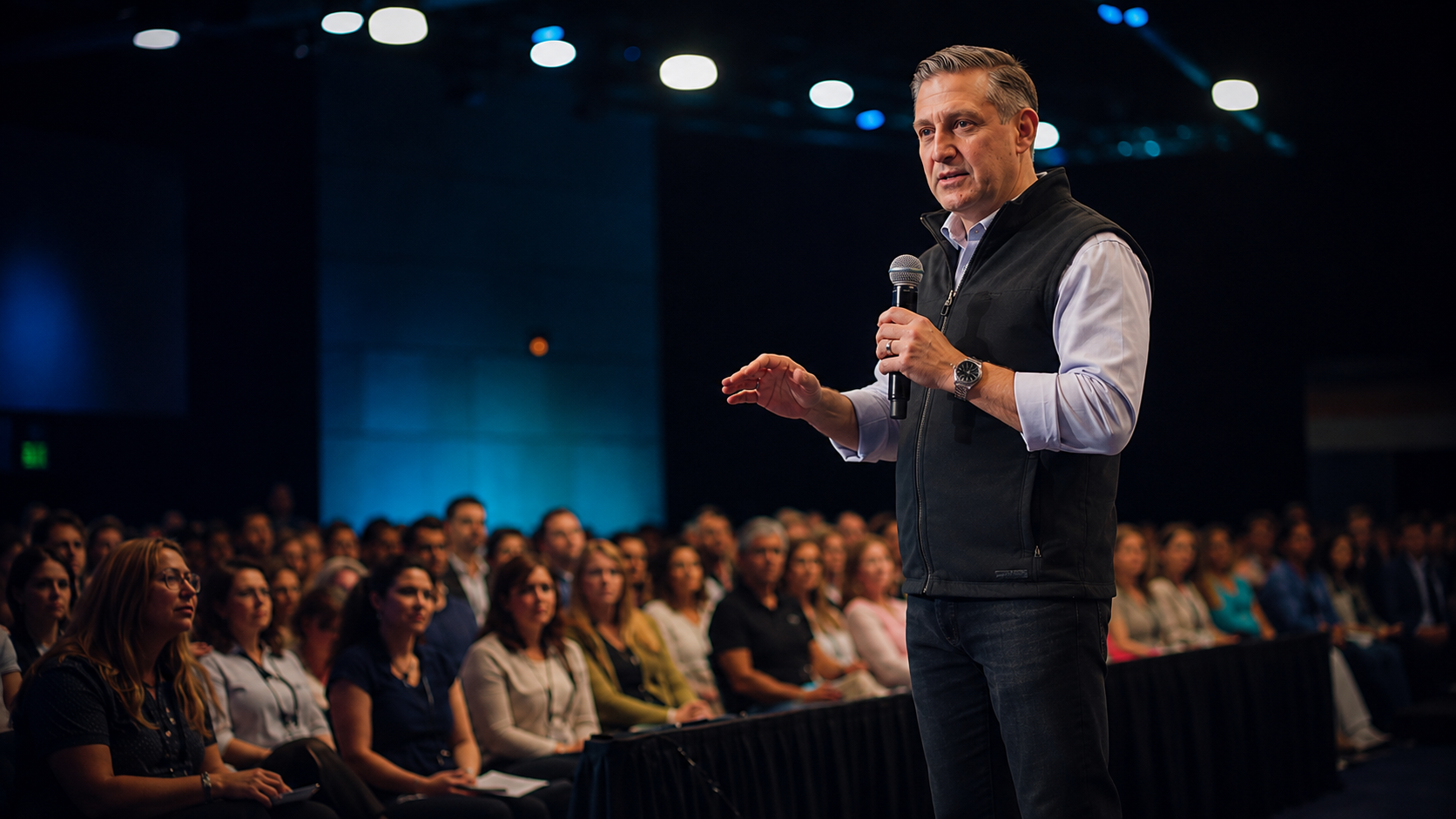
Speaker Name
Ty Francis MBE
What's one thing you hope attendees take away from your session?
I hope attendees leave with a fresh view on how to govern these new AI systems, and with a clear way to explain it to their teams: where AI is already being used, what it can access, and who is accountable for it.
In one sentence, what do you do and what is your role?
One sentence is tough but I would say I'm a board advisor to multiple companies in the compliance, AI governance and ethics space, where I help with conduct, culture, and program effectiveness.
What's the biggest challenge facing the industry in this area?
For me, it's proving that compliance works, not just that it exists. Fintechs are good at building the visible pieces: policies, training, monitoring, a hotline. What's harder to show is whether any of it changes how someone decides under pressure, like the product manager with a launch date. Training delivered isn't training absorbed. (Nobody finds out who was listening to the safety briefing until the plane's already in trouble!) AI makes that gap wider. I'm comfortable with it for retrieval, like pointing someone to the right policy, but I'd be careful letting it adjudicate whether an exception is okay. So I'd ask about outcomes, not activities. Do people speak up, and what happens when they do? Can you show a board or regulator how a case was handled from start to finish? You could say that compliance is the brakes on an F1 car. They let the driver go fast safely, but only if you can show they work.
What's one piece of advice you'd give to someone working in fintech today?
It's practical vs being technical. Find out how your company handles bad news before you ever need it. Fintech moves fast, and the people who spot a problem first are usually closest to the product, not sitting in compliance. So ask yourself: if something looked wrong tomorrow, who would I tell, and what would happen next? If you can't answer that, ask. If nobody else can either, you've learned something important about the culture. Speaking up is easy to encourage. What happens afterwards is what people remember.
What book, podcast, newsletter, or resource would you recommend to our audience?
I tend to create my own podcasts with Gemini Notebook from the news! But for books...some great pics are The Dark Pattern: The Hidden Dynamics of Corporate Scandals by Guido Palazzo and Ulrich Hoffrage, Full Stack AI Ethicist: A Guide to Building Trust and Safety in Artificial Intelligence by Robin Lee and Adam Khan, and Money Men by Dan McCrum.
What topic will you be speaking about at FinTech Connect 2026?
I'm moderating a panel on what happens to governance when AI agents can act on their own, at speed. When something goes wrong, the damage now spreads much faster and further, so we're looking at what that means for how leaders and operations teams prepare."
Just for fun: if you could have dinner with any person, past or present, who would it be and why?
The late, great, Anthony Bourdain. Without a doubt. I'm lucky enough to have met a lot of my heros, but I never got to meet Mr Bourdain. He changed the way I travel, and eat.
What industry trend are you watching most closely?
AI governance, and specifically whether it's real or just paperwork. A lot of what I see is model registries, risk classifications, ethics councils and dashboards. None of that answers the one question that matters: who can shut an AI system down tomorrow, and would they do it if the revenue owner objected? I'm also watching where companies let AI decide. It's good at retrieval, like pointing an employee to the right policy. Deciding whether an exception is okay is a different thing. That call shouldn't move into a system just because the system can produce an answer.
Why is this topic particularly important right now?
Because that gap between use and control is getting more expensive. Agentic AI acts, adapts and escalates at speed, so when something goes wrong it spreads before anyone's noticed. And regulators aren't waiting for a new rulebook. In the UK, AI oversight is being folded into existing regimes like consumer duty and SMCR, which means named people end up accountable. They'll want to see the decision, not the policy describing how a decision might be made. So I'm afraid a committee alone, won't cut it. You need a named owner and a way to stop it.
What's one prediction you have for the next 3-5 years?
Tottenham Hotspur will rise to their former glory, and we'll see more careful decisions made when applying guardrails around the use of AI, more than we did in the early days of social media. But I fear only one of these will come true.